
Jacob Hendrik Pierneef: Market Analysis and Valuation
A collector's guide to the Pierneef market — auction history, what drives value across his periods and media, and how to price and buy with discipline.
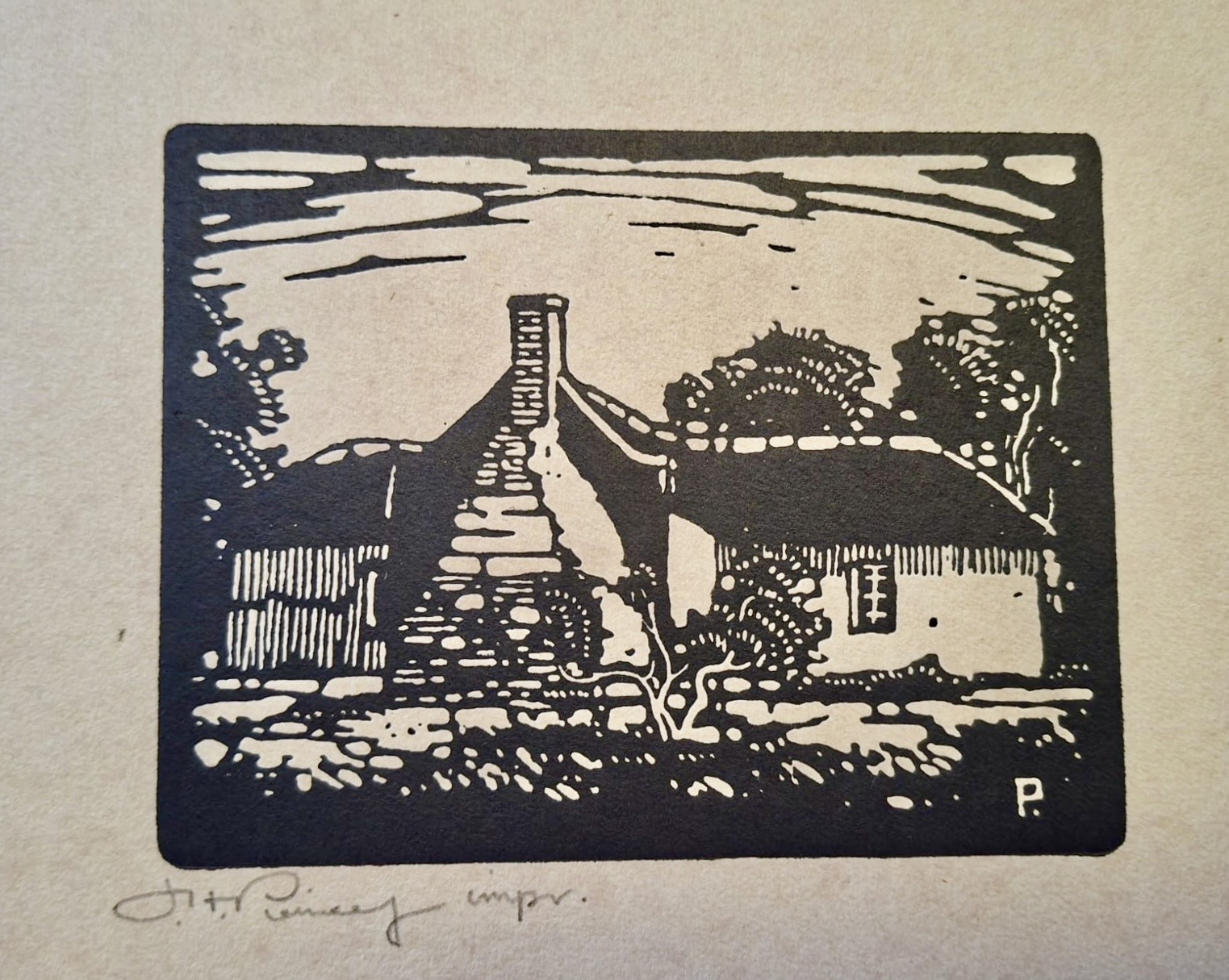
Jacob Hendrik Pierneef (1886–1957) is the most consistently traded blue chip name in South African art. For collectors and investors, that consistency is the point: a deep, liquid market with decades of public auction records makes Pierneef one of the few South African artists whose values can be benchmarked with real confidence. This guide sets out how that market behaves, what drives price, and how to approach an acquisition or a sale.
Why Pierneef anchors South African collections
Pierneef defined a visual language for the South African landscape: flattened planes, stylised acacia and bushveld forms, and a structural clarity drawn from his exposure to European modernism. That instantly recognisable idiom, combined with institutional representation and a substantial scholarly literature, gives his work the two qualities serious buyers look for — cultural permanence and a broad, durable buyer base.
In practical terms, a strong Pierneef is among the easiest South African works to place again later. Liquidity is itself a form of risk management, and it is the main reason the artist appears in almost every significant collection of South African art.
Reading the auction history
Pierneef has been a fixture of the major South African sales for decades, and his top results sit firmly in the multi-million-rand band. But headline figures are misleading if read in isolation. His market is highly stratified: a major oil of a celebrated subject and an unexceptional small watercolour are effectively different markets that happen to share a signature.
When reviewing records, look at hammer prices against low estimates, the sell-through rate for his work in that season, and whether comparable lots were withdrawn or bought in. A run of results clustered at or below low estimate says more about current appetite than a single record.
What drives value in a Pierneef
Medium first. Oils on canvas and board sit at the top of the market, followed by the significant casein and tempera works, then watercolours, and finally the linocuts and prints, which trade in a far more accessible band and are the usual entry point for newer collectors.
Subject and period follow. The mature highveld and bushveld landscapes of the 1920s to 1940s — the compositions most associated with the artist — command the strongest premiums. Rarer subjects, including Namibian and coastal scenes and works connected to the Johannesburg Station panels, attract specialist competition.
Then scale, condition, and provenance. Larger, fully resolved compositions outperform small studies. Original condition matters: overcleaning, retouching, and heavy varnish materially reduce value, and a professional condition report is not optional at this level. Documented ownership, exhibition history, and inclusion in the literature all narrow the discount a cautious buyer will apply.
Authentication and the forgery problem
A market this liquid attracts misattribution. Signature style alone proves nothing. Treat unsupported provenance as a red flag, insist on a documented chain of ownership, and where any doubt exists commission independent expert opinion and technical examination before funds move. The cost of due diligence is trivial against the cost of an unsellable picture.
Valuation principles for buyers and sellers
Build a comparable set of at least five recent sales matched on medium, period, subject, and size, adjust for condition and provenance, and account for buyer's premium when comparing an auction result to a private-sale price. Private treaty pricing is typically more disciplined and more discreet; auction is better when competitive tension is likely to exceed a negotiated number.
For sellers, timing matters more than most expect. Bringing a strong Pierneef to market in a season already carrying several comparable lots dilutes competition. For buyers, patience is the equivalent lever — the right example generally appears within a cycle or two.
Investing in Pierneef with a long view
Pierneef rewards quality over activity. One excellent oil will almost always outperform three modest works acquired quickly, and holding periods should be measured in years rather than seasons. Insure at current replacement value, revalue every two to three years, and keep condition and provenance documentation together with the work.
The Blue Chip Room sources and places Pierneef works privately, and advises on valuation, condition, and timing for both acquisitions and divestments. If you are considering a purchase or a sale, we are happy to review comparables with you in confidence.